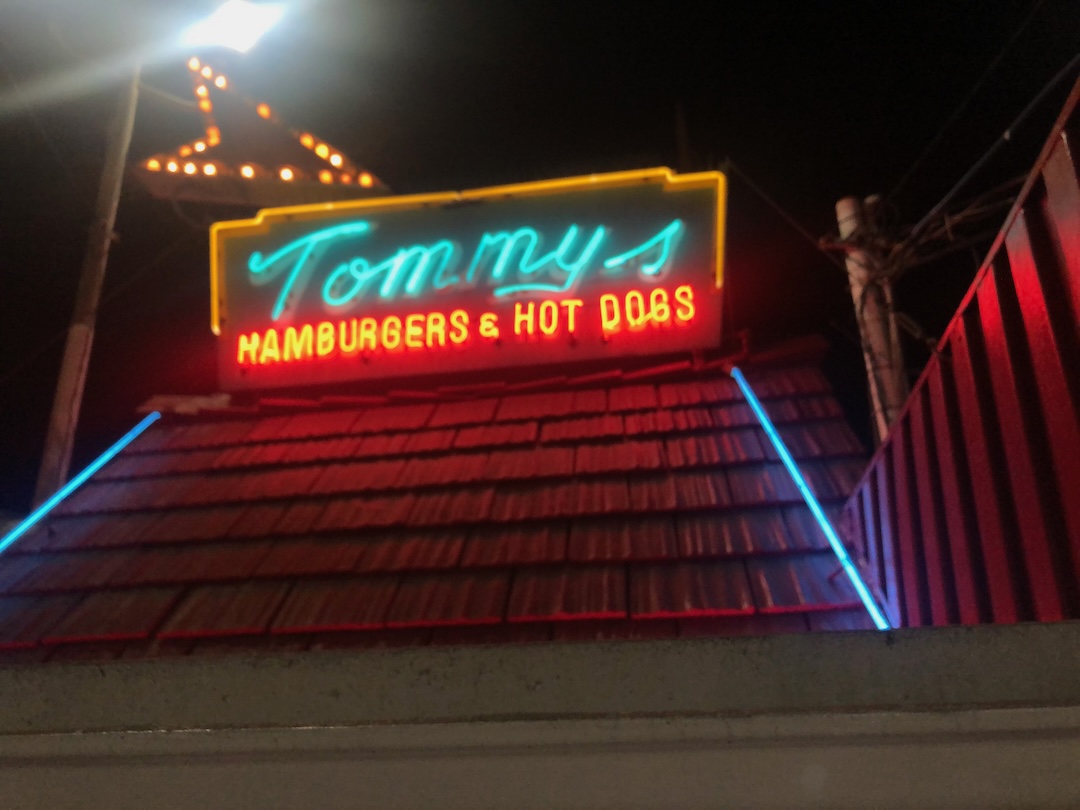
We’re walking along Figueroa Street’s Highland Park hipster drag at 9 p.m. on a Thursday night, looking for something to eat. Within a span of a few blocks, though, we’re greeted by one closed sign after the next. How is it possible that both bar-adjacent pizza joints are already done for the night?
We’ve been here before, maybe a year ago, when we walked two miles (no exaggeration) before stumbling upon a cramped, hole-in-the-wall Mexican restaurant that serves to what is now considered Los Angeles’ late night crowd. Maybe we could have gone back to that spot, but we decided to catch the Metro to Chinatown, where there are still a small handful of restaurants open until at least 10 p.m.
I shouldn’t have to explain to readers that 9 p.m. is a perfectly reasonable time to eat dinner. People around the world know this as a fact. An actual late night meal is after midnight. I used to indulge in those too, but gave up the habit post-pandemic, not because I have grown sensible in my old age, but because reliable late night spots in Los Angeles are now so few and far between that trying to find food at 2:30 a.m. has become a hassle I don’t need after a DJ gig.
It wasn’t always like this. Los Angeles used to be a proper city. It wasn’t a 24/7 city, but we didn’t operate on farm time either. If you got off work late, you could still get take out or make a grocery store pit stop on the way home. You could meet up with friends for coffee at night or grab a bite to eat after the concert/club/bar. Now, good luck finding food beyond 8 p.m. You should have done your meal prep on Sunday so that you could be safe at home by sunset and ready to settle into a 10-step nighttime routine for optimal sleep hygiene so that you’ll wake up refreshed at 4 a.m. and ready to take on your morning ritual of making content about the life you want people to think you have. Don’t forget to have your friendly, neighborhood delivery bot bring by that breakfast smoothie you love.
These are, truly, the lamest of times.
People will say this is happening because L.A. is “dangerous” and the economy is garbage, but, I’m not totally buying it. Langer’s has been using that same line since the 1990s. Back then, the headlines were consistently grim. Road rage, drive-bys, etc. Still, those of us who were in our teens and 20s at the time can rattle off a list of late night spots that no longer exist (Twain’s, Nova Express) and 24 hour joints that are no longer open all night, every night (Canter’s, The Kettle). But, I guess it’s easier to blame stranger danger and money woes than to admit that the old world is dying and the new one is boring af.
Tommy’s, the original location on Beverly and Rampart, is still keeping things legit 24 hours a day, seven days a week. It was after 10 p.m. when we stopped by the 80-year-old burger stand following a show just a couple blocks away at 2220 Arts + Archives. The show was packed. Tommy’s was not, which seemed strange because, isn’t that what you do after a concert, eat at the closest late night spot? “Maybe they’re all vegans,” I said with a shrug.
Right around 10:30 p.m., while I was shoving a chili-slathered tamale in my mouth, a rush of people lined up for Tommy’s. It wasn’t anyone from the show. It was young people who were there solo and a few women who arrived with kids. Most looked like they were picking up dinner after work.
When the clubs reopened after lockdown, my nightlife friends and I often talked about how people were acting kind of strange. At the time, I thought there was a class divide happening between the work-from-home crowd and the people who actually have to go to a place to do a job. Now, I think that’s part of it, but the divide is much more nebulous and based on how much you have to interact with the physical world. Also, that division probably started a good decade before COVID hit.
The world that the billionaire class is building is, essentially, a virtual one. Think of the crap that inundates our feeds on the daily. In between the barrage of headlines and hot takes that leave us angry and afraid is the wealth, wellness and beauty content designed to play on our insecurities, the highlights from parties and concerts that trigger FOMO and the seemingly wholesome viral clips that are really ads for betting sites prediction markets . Put this all together and you have a mess so overwhelming that it feels impossible to do anything but stay in bed and continue scrolling. On top of that, today’s tech makes it possible to spend most of our time at home. We don’t have to leave unless there is something big to experience, the event that you can pay off in installments, the new viral food thing, the much-needed vacay to the same destination where all of your favorite influencers vacayed last month, More importantly, these are all things you can share on your socials. They’re not experiences so much as they are content opportunities to enhance your personal brand. All this is by design, it’s how the attention economy works and it’s how the billionaires continue extracting the lifeblood from society.
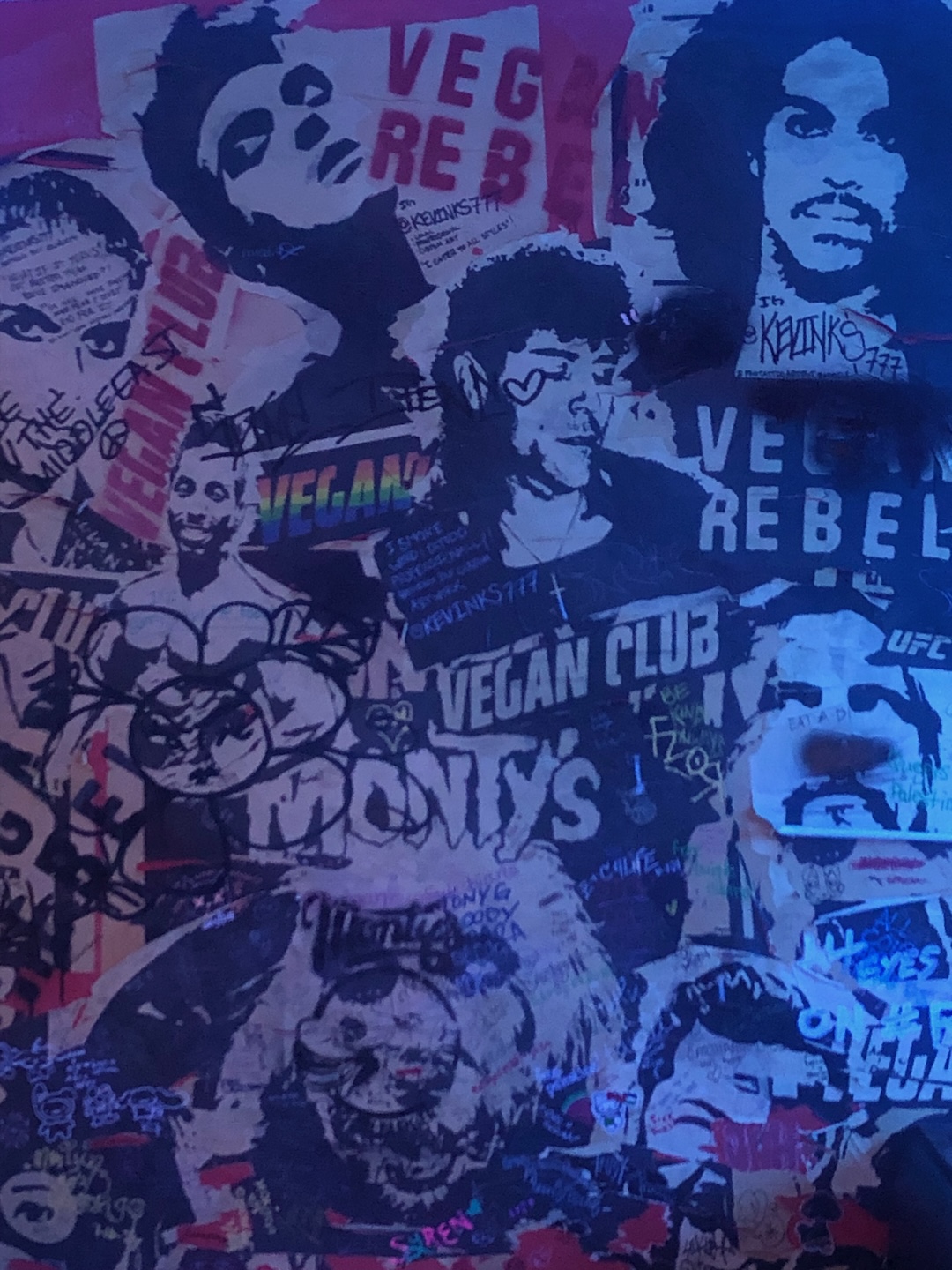
What gets lost are the moments that are meant for broadcast and the spaces in which those moments take place. The diners and drive-thrus that were once home to late night plotting and rambling start to disappear. Soon, they could be followed by dive bars, indie clubs and any other venue that’s not designed for content.
I cannot stress enough how bad this is for us. If we’re not observing what’s happening in our cities with our own eyes, we can’t do anything to fix them. Example One: Unless you take Metro, you probably don’t know that L.A. has a pretty good public transit system during the day and a terrible one at night. You should always have a rideshare app ready just in case the bus decides not to show, which is exactly what happened after dinner at Tommy’s that night. Example Two: If you don’t leave the house after dark, you probably don’t realize that Los Angeles’ streetlights are in abysmal condition. I thought about that when I stumbled over a crack on a poorly lit stretch of Sunset sidewalk after hopping off the 4 to get a 9 p.m. dinner at Monty’s Good Burger. (Did you also know that L.A. property owners voted down a funding increase for streetlights last month? I guess we know who the shut-ins are.)
The power of observation is just one thing we cede when stay at home. Consider night meals, whether it’s a 9 p.m. dinner or breakfast after the afters, as part of our break from the algorithm. It’s a chance to work out our thoughts in person instead of with the memes that have replaced actual conversation. We can talk about elections or whether or not you should get Botox instead of making decisions based on the content Meta is force-feeding us. If we’re going to break the stranglehold that the billionaire class has on us, we need to prioritize tucking away our phones, going out and putting money back into our local hangouts. Otherwise, they win and we, well, we’ll probably die of boredom.
Liz O. is an L.A.-based writer and DJ. Follow on Instagram or sign up for the weekly, Beatique newsletter for updates on new stories and gigs.
Listen to the Beatique Mix for July, 2026, featuring music from Madonna, Tomora, Basement Jaxx, Saint Etienne and more.
Read more:
Delivery Bots are the Harbingers of Doom
Depeche Mode, Fontaines D.C. and War Child: The Wars Change, But the Protest Songs Remain the Same