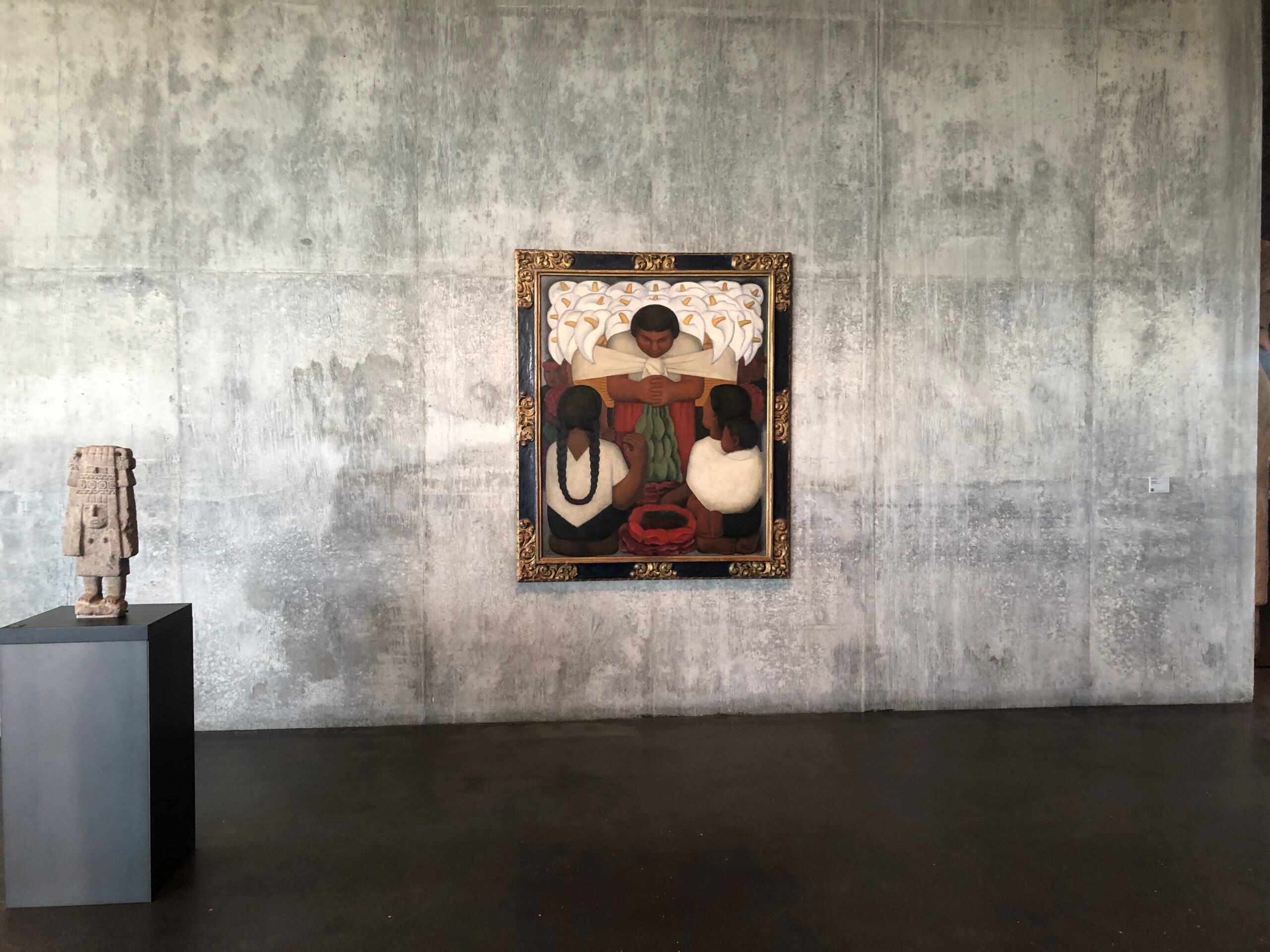
There’s no right way to travel through the new David Geffen Galleries at LACMA. I just happened to see Flower Day, a Diego Rivera painting where calla lilies are piled high on the shoulders of a vendor, as soon as I walked into the museum. Nearby was a small statue of the Aztec goddess Chicomecoatl. This seemed like a good place to start, so I began to walk an open pathway beyond the ancient Colima sculpture of a dog that stands guard, through a collection of works that’s some 2000 years old and into a passage of Latin American paintings from the 19th and 20th centuries.
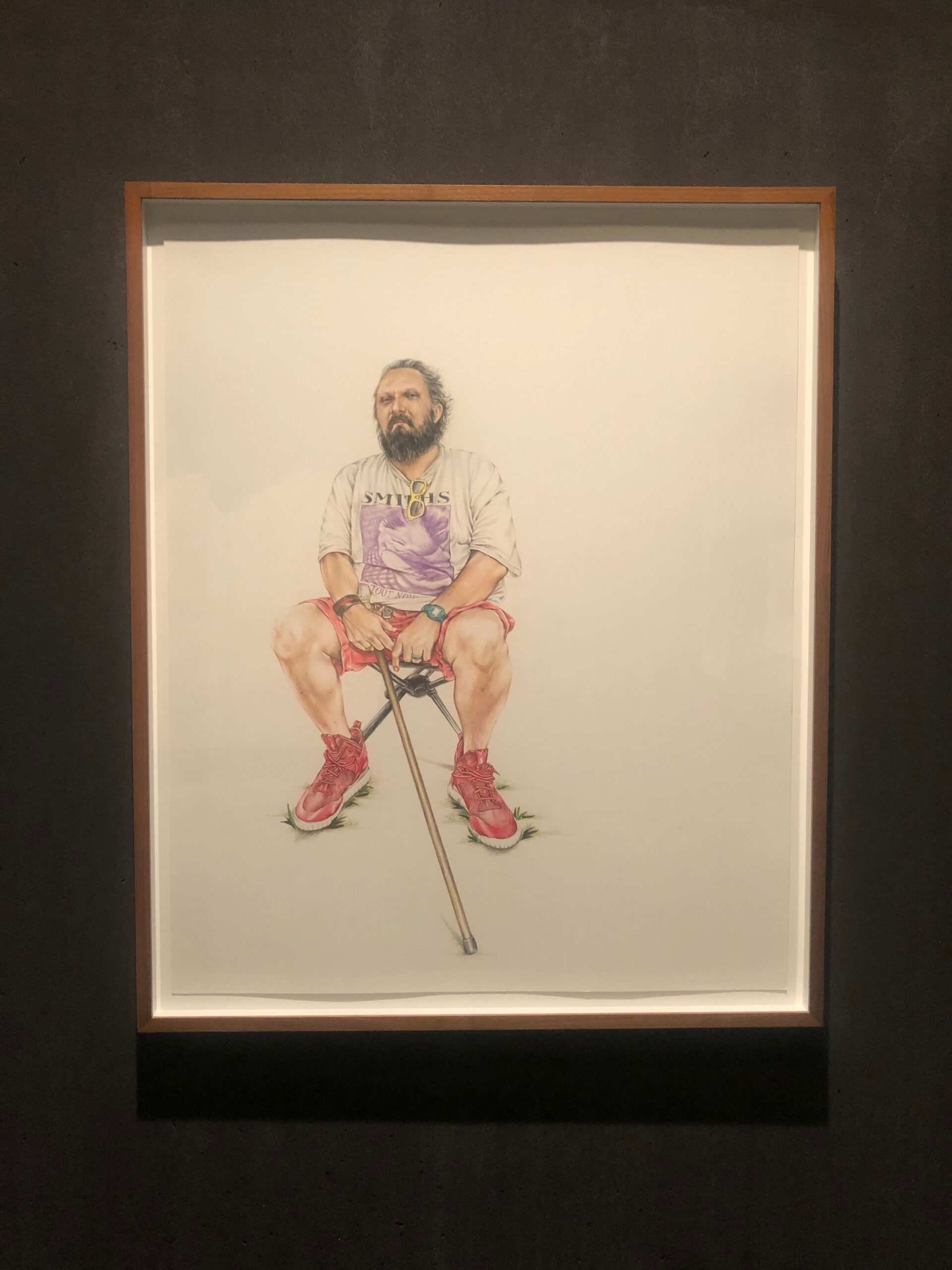
Quickly, though, the art around me looked more familiar, more like the L.A. I know. I was in a nook with rafa esparza’s adobe wall sculpture, …we are the mountains in front of me. To my right was one George Rodriguez’s photos from the Chicano movement. I turned my head slightly to the left and spotted a Smiths t-shirt out of the corner of my eye. That has to be one of Shizu Saldamando’s drawings, I thought. It was.
The David Geffen Galleries, which officially opens on LACMA’s Miracle Mile campus this Sunday, April 18, is the new home of the museum’s permanent collection. Designed by Peter Zumthor, the sculptural building revolves around a single exhibition floor that stands 30-feet high and stretches some 900-feet as it crosses Wilshire Blvd. The concept behind the design is that works spanning 6000 years of art history are exhibited here without any sort of hierarchy. No era, place, artist or media is the star inside the David Geffen Galleries. All of the art works together to tell a bigger story about the world and that story will change depending on how you decide to move throughout the museum. It’s really a choose-your-own-adventure sort of experience.
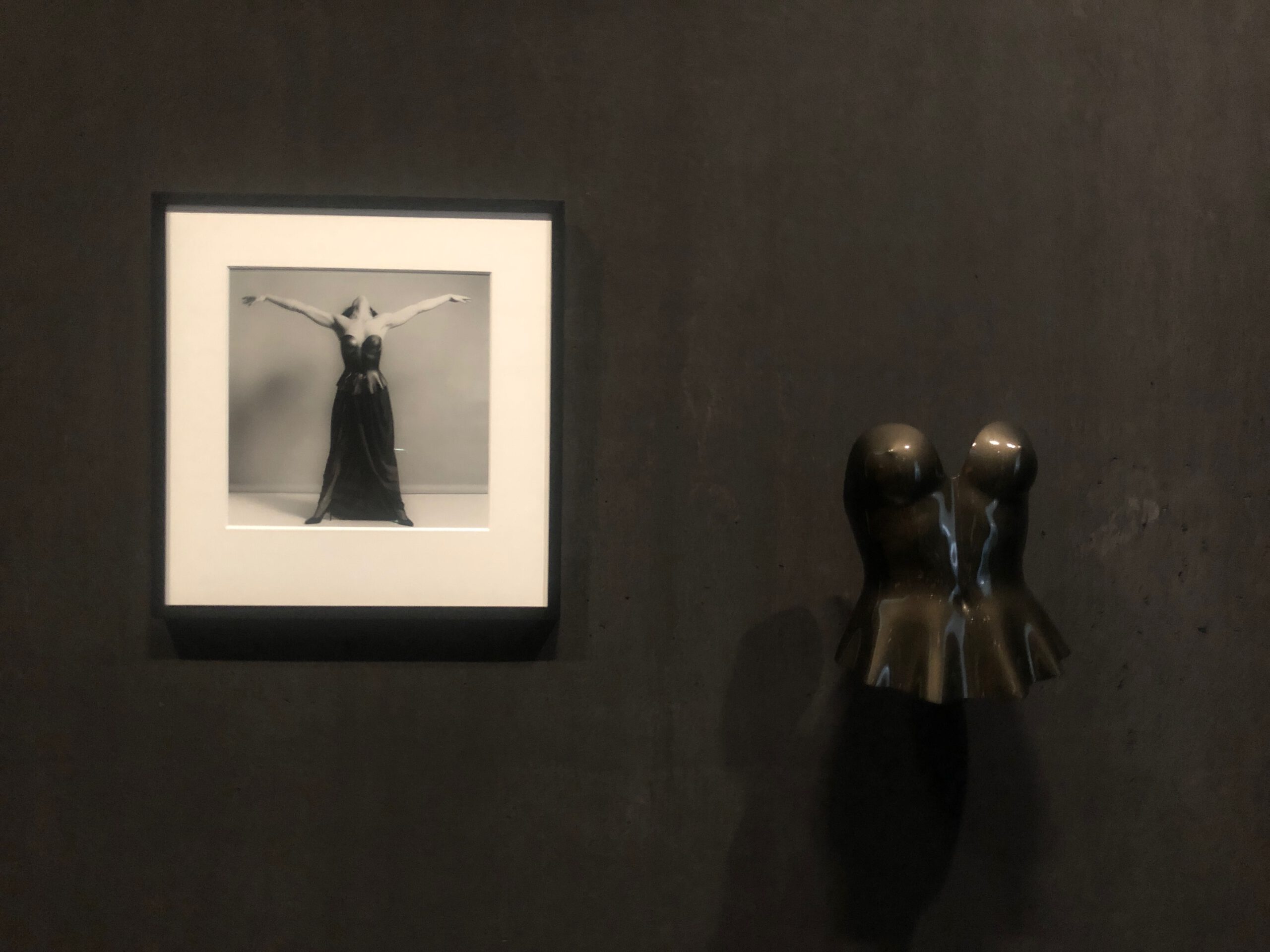
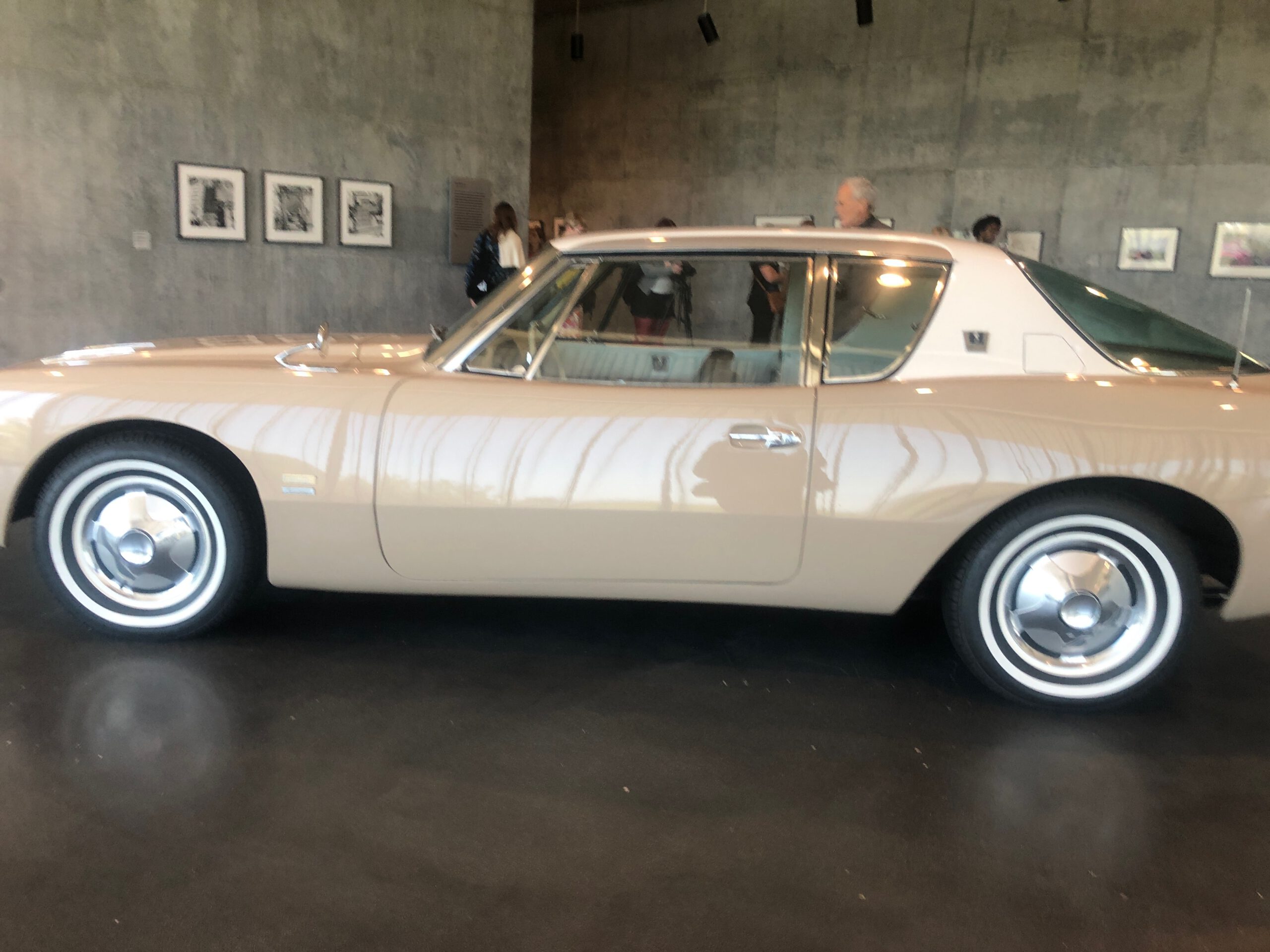
Maybe I was somewhere in the 20th century. It was hard to tell because the exhibits are grouped together by themes rather than chronological order. Paintings and sculptural depictions of the American West led to a room full of plastic art, which includes a surfboard, a Robert Mapplethorpe photo and an Issey Miyake bustier. From there, I entered a mini-world devoted to Car Culture, where Ed Ruscha’s photos of parking lots are positioned on a wall that stands behind a 1963 Studebaker.
For the inaugural exhibition, the David Geffen Galleries are organized roughly by bodies of water with groups of collections representing the Pacific, Indian and Atlantic Oceans, as well as the Mediterranean Sea. There is, however, a lot of overlap. In a matter of minutes, I traveled from East Asia to Latin America, then back to Japan and onto India.
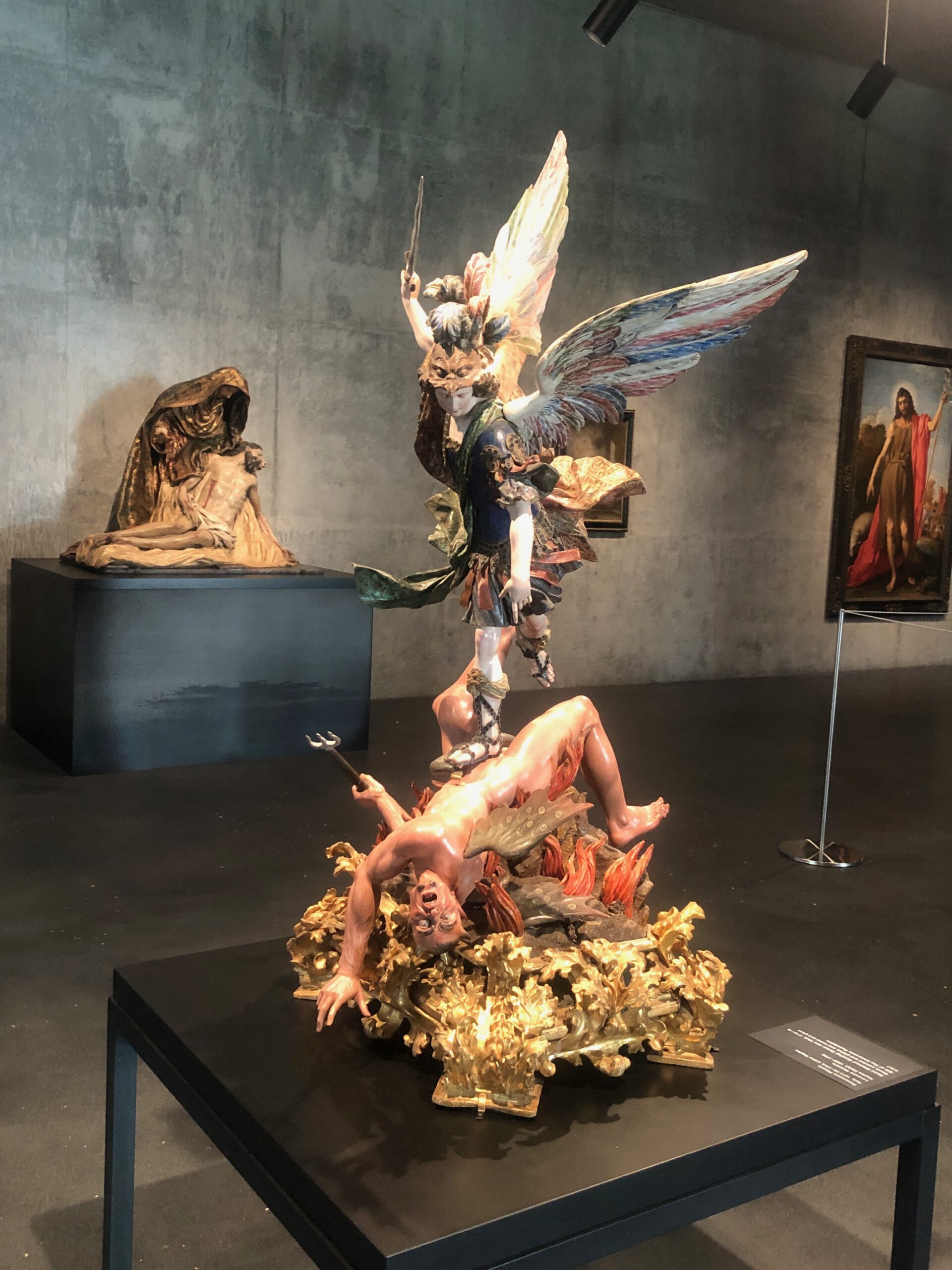
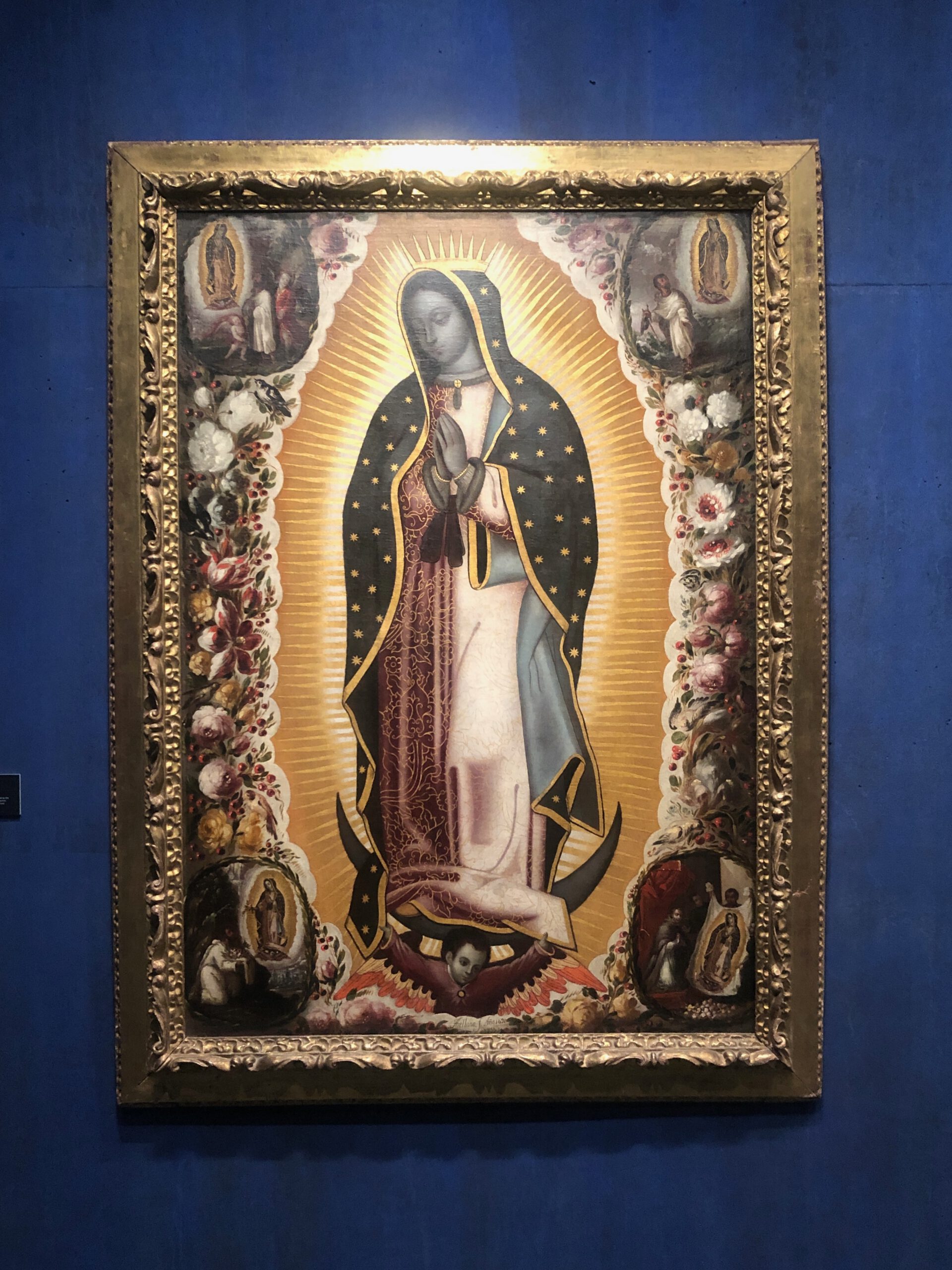
Suddenly, I was at the intersection of West Asia, North Africa, Southern Europe and the Americas. Ultimately, all roads lead back to California in some way. There’s a photo of a vacant lot taken, I think, in Morocco, but it reminds me of our own desert. An Ottoman-era gamesboard prompts me to flashback to the tavlu games I saw my dad play when we went to Armenian functions. The Italian and Spanish pieces – so ornate, so Catholic- bring to mind the interior of local churches and the religious items I frequently see at shops. Two Virgin of Guadalupe paintings resemble the murals that dot L.A. buildings.
“We’re all interconnected,” LACMA CEO and Wallis Annenberg Director Michael Govan said at the conference earlier in the morning, while noting that the David Geffen Galleries is intended to reflect the diversity of the city. I felt that right in this little area, where multiple cultures and traditions that do, in some way, reflect L.A., collide.
Forty-five curators were involved in putting together this exhibition and, yet, it feels like every one of the objects inside the David Geffen Galleries are in conversation with each other, literally in some cases. I saw two statues posed as if they are trying to talk to each other across a large room overlooking the La Brea Tar Pits.
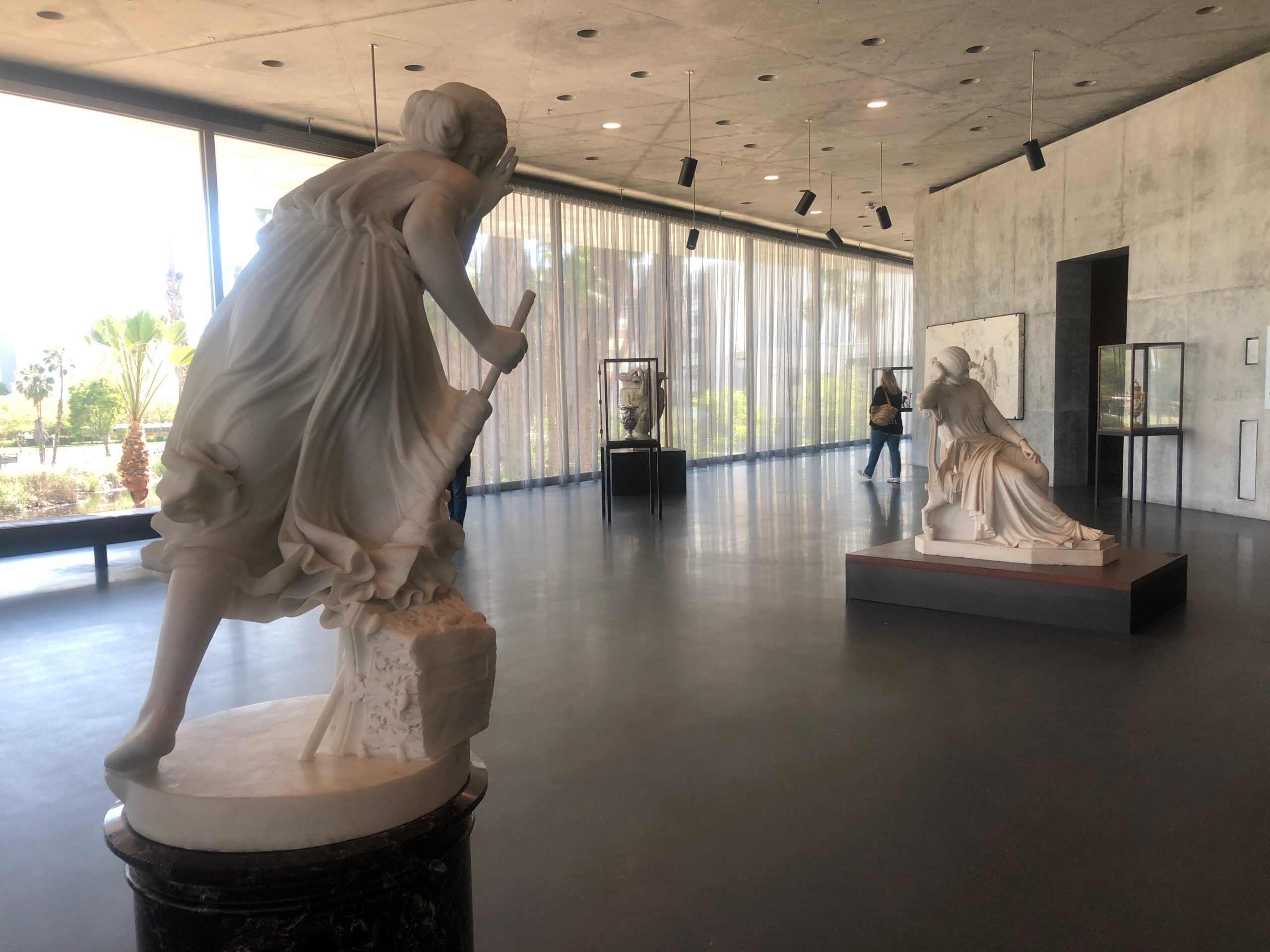
Moments later, I looked out the window again and saw that I had just crossed Wilshire Blvd. It’s really easy to get lost in the David Geffen Galleries. That’s part of the point. The LACMA guidebook for this exhibition is called Wander and there’s a big benefit to this design. In more traditional museum layouts, you’ll typically see throngs of people flocking to the most famous artists and works, be it Monet or Picasso or whoever. When there aren’t any clearly defined routes leading to the biggest destinations, you can’t really do that. In fact, the space that held the Impressionists and Surrealists was virtually empty when I wandered into it. There’s a very cool Magritte, Dangerous Liaisons, in there, btw, that might be seen as a commentary on selfie culture were it not painted 90 years ago.
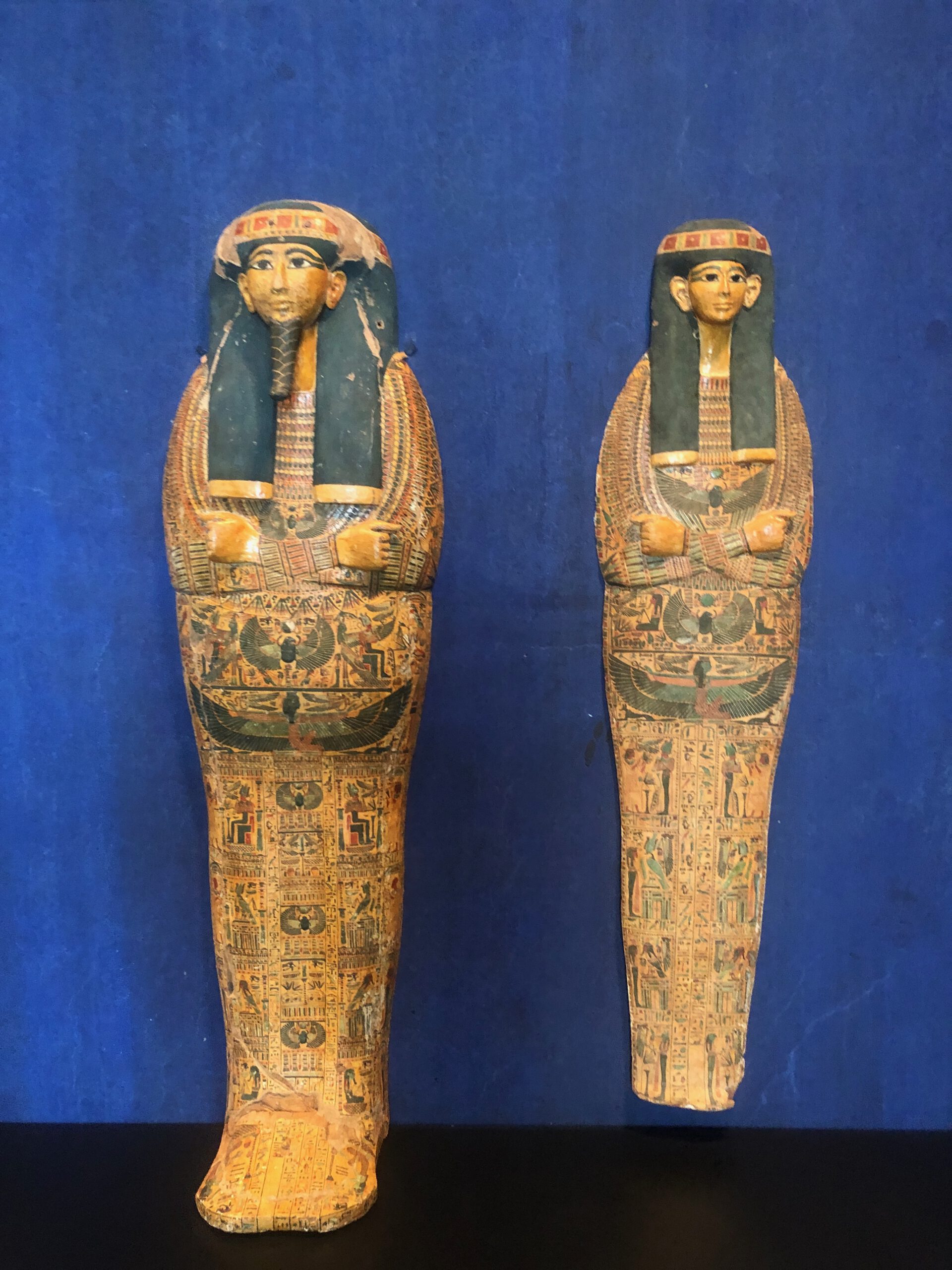
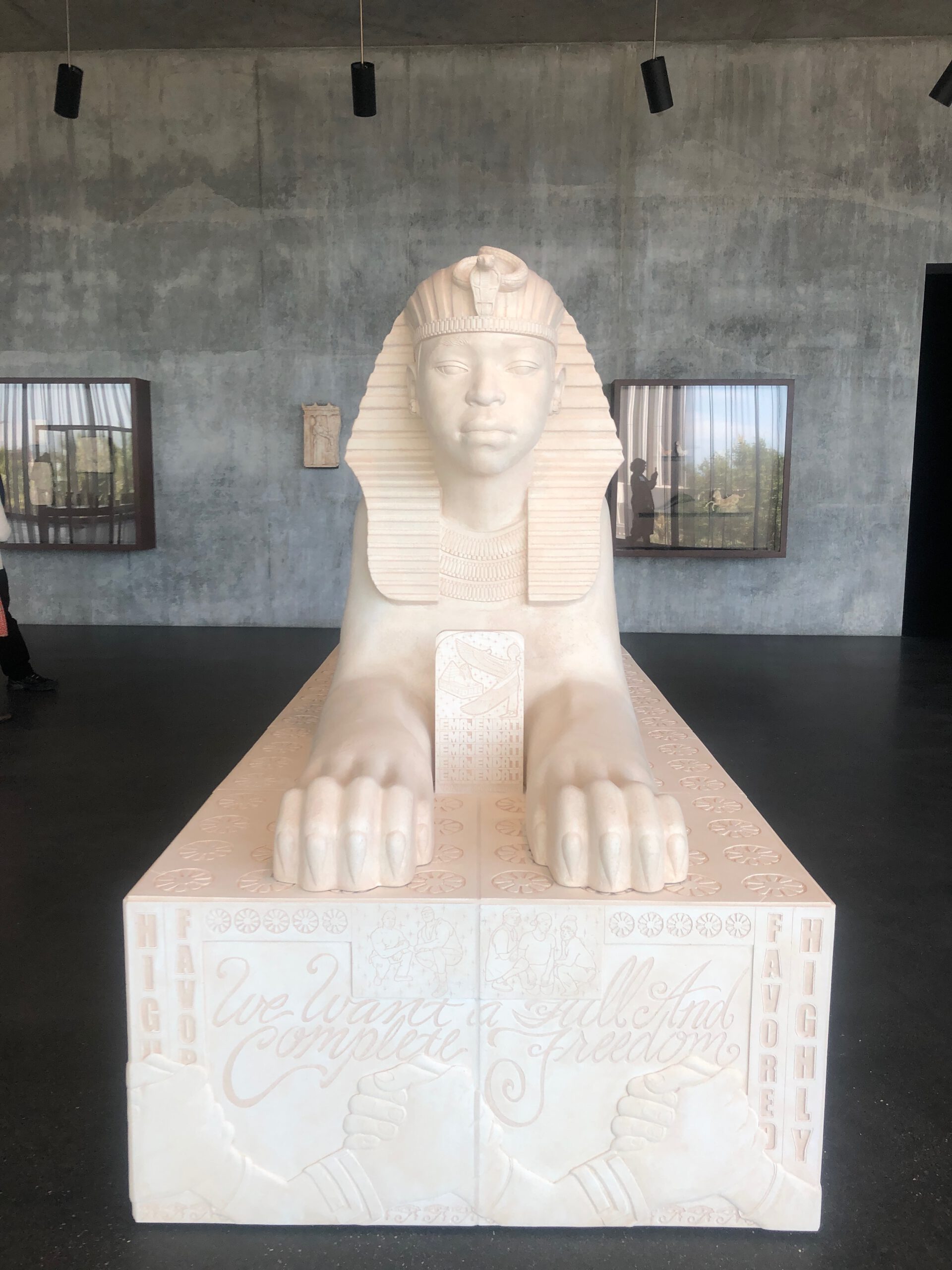
I jumped back and forth through time while continuing through the space, ending up amongst the relics of Rome and Egypt. Near two sarcophagi, I gazed at a tile wall and noticed that the people depicted on it are from today. I saw a Figueroa Street sign and Watts Towers. It’s a piece by Lauren Halsey, the L.A.-based artist, who also has a massive, sphinx-like sculpture outside of this tiny room.
As I prepared to leave, I thought about how I probably missed a lot. Maybe that’s part of the design as well, to leave you making plans to return. Even though its eye-catching architecture, hefty collection and novelty makes the David Geffen Galleries a destination, it’s also a place to visit regularly. I do plan to go back soon, albeit after the Metro D extension opens in early May.
Liz O. is an L.A.-based writer and DJ. Follow on Instagram or sign up for the weekly, Beatique newsletter for updates on new stories and gigs.
Listen to Beatique, April 2026 on Mixcloud, featuring music from Slayyyter, Kneecap, Yeah Yeah Yeahs, Armand Van Helden and more.
Keep Reading:
Some Monuments Need to Be Toppled
See the Midcentury Art and Design of Evelyn and Jerome Ackerman at Craft Contemporary
My First Trip to New, Chinatown Concert Venue Pacific Electric